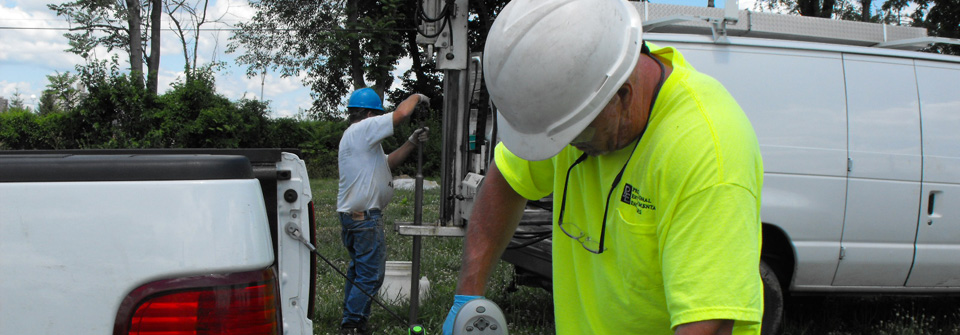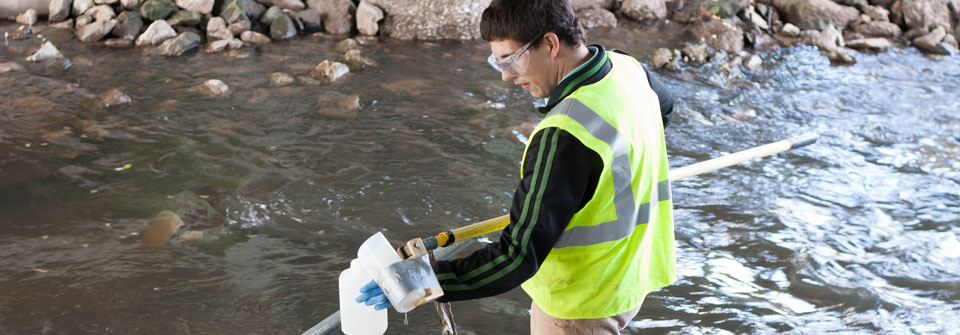


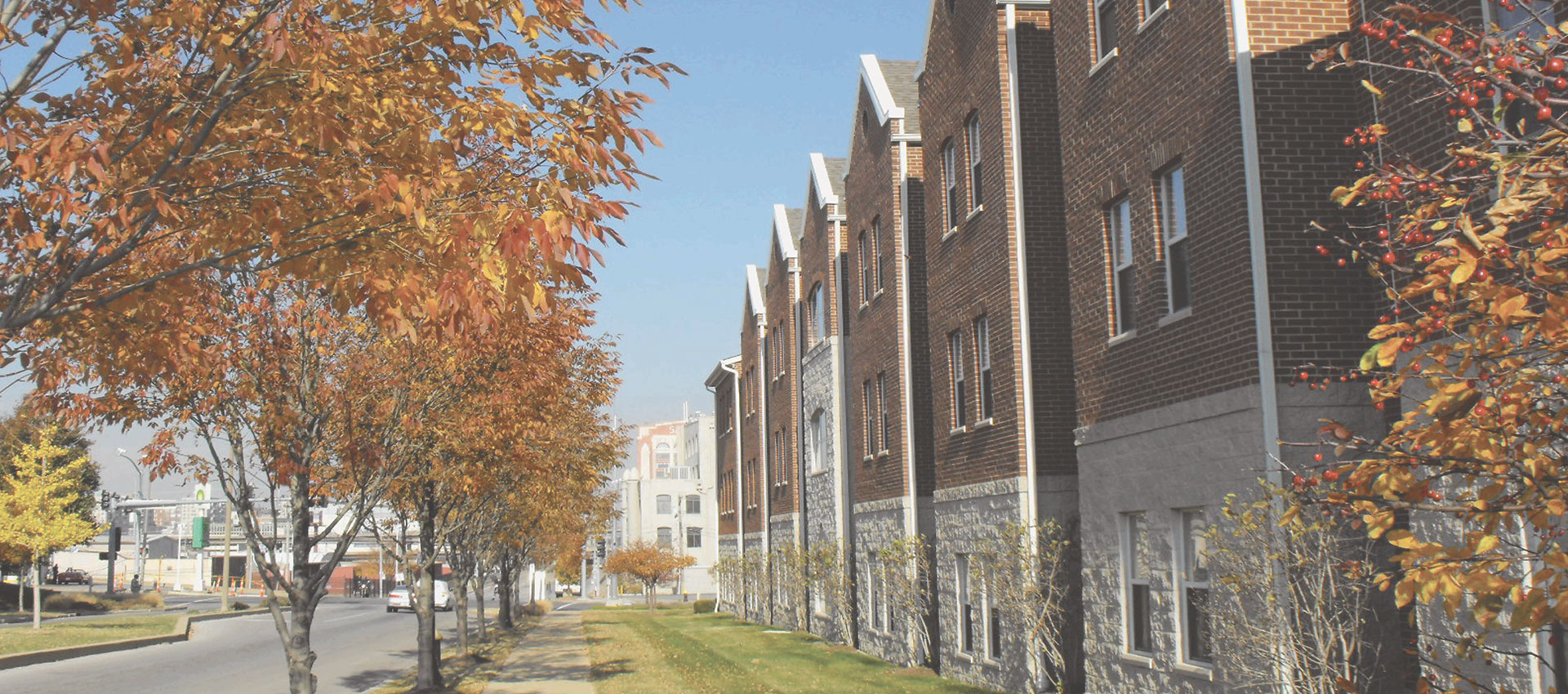
The Blumeyer Project consisted of a major (multi-phased) HUD redevelopment within a severly depressed brownfield neighborhood of St. Louis City, the $200M HOPE VI development. PE participated in the original design charrettes for the project (with architects, consultants, regulators, financers, and community) and provided historical/ environmental/physical setting information for some of the sessions. In addition, PE performed a large (80-block) neighborhood environmental screening assessment used by planners for the site selection process. Upon determining the approximate area for redevelopment, PE was contracted to perform Phase I and Phase II (where applicable) ESAs on individual properties. This ESA work included drilling and soil sampling, monitoring well and piezometer installation/development/sampling, geophysical
surveying, trenching, asbestos and LBP surveys, household hazardous waste (HHW) surveys/inventories, wetland investigations, regulatory file reviews, analytical/geotechnical testing, data evaluation, and reporting. PE performed additional groundwater and soil assessment activities, human health and ecological risk assessments, a remedial investigation and feasibility study, and a remedial design outlining procedures for site security, clearing and grubbing, abandonment and relocation of utilities, structure decontamination and demolition (including asbestos/lead abatement and removal of HHW), sorting/sizing and processing of clean demolition concrete for use as fill material on site, disposal and/or recycling of all unusable demolition debris, UST and hydraulic lift removals, excavation and disposal of contaminated surface/subsurface soils, construction of soil covers/caps, backfilling and compaction, grading, and site restoration. In addition to the activities described above, PE conducted pre-bid job walks, answered bidder questions, coordinated pre-construction meetings, attending client meetings, submitted regulatory notifications and obtained permits, oversaw and documented all remedial activities, performed air monitoring and clearance sampling, reviewed contractor submittals, profiled waste streams, manifested wastes, sampled fill material, acted as liaison (between remediation contractors, client, and regulators), provided technical support, conducted project closeout meetings, and prepared closure reports for the work completed.
PE completed work at various properties for the client, which consisted of soil and groundwater investigation, HTRW disposal, UST management/removals, indoor-air quality investigations, ACM and LBP consulting/ abatement, and operation & maintenance activities. Upon completion of all site investigation activities, a remedial design was developed by PE to cleanup the site in time for future construction. Accordingly, PE prepared bid documents/ specifications for clearing and grubbing, utility abandonment, asbestos abatement, HHW removal/ disposal, UST and AST system removals, demolition of existing structures (including wet demolitions of several structurally-unsafe greenhouses), mass removal of the buried landfill/dump (approximately 40,000 tons), surgical excavations associated with small contaminated soils areas (lead, arsenic, PAHs, VOCs, chlorinated pesticides, and ACM), backfilling and grading, and waste disposal. Engineering estimates, prepared by PE, were used by the client to budget funds for this work. PE assisted the client with evaluation of contractor bids for all remediation and decon/demolition services performed at this site. In addition, PE conducted oversight activities for two separate remediation/D&D contracts.
This project consisted of site investigations, field studies, preparation of work plans, engineering support services, remedial design, response actions, removals, and monitoring activities.
After receiving a clean-up order from the Illinois Environmental Protection Agency, TOC contracted PE to prepare a remedial action work plan, remove the source material, assess groundwater contamination, and prepare a design for groundwater remediation, and provide oversight of a time-critical removal action for approximately 13,000 tons of MTBE-impacted soils. PE’s proposed remedial action plan for the TOC site included a network of AS/ SVE wells up-gradient and on the TOC property with a smaller network of AS wells (a sparge curtain) located down-gradient near the contaminated well field. Upon approval of this plan by the IEPA, PE conducted pilot testing for both the AS and SVE components of the proposed system. Based on PE’s summary of findings for the pilot studies, the IEPA approved the final remedial design.